
The Texas Roadhouse Class Action Lawsuit has become a popular search topic because many people want to understand whether the restaurant chain is currently facing legal action, whether customers may receive a payout, and how past lawsuits involving the company were resolved. Some readers are searching as customers, while others may be current or former employees trying to understand wage, tip, or workplace-related claims.
The latest attention around Texas Roadhouse is connected to a menu-labeling investigation and proposed class action discussion. The concern is that some menu items may have been described in a way that customers believe was unclear, incomplete, or possibly misleading. This does not automatically mean that Texas Roadhouse has been found liable. It means legal questions have been raised about how certain food items were marketed or explained to customers.
At the same time, the phrase Texas Roadhouse Class Action Lawsuit can also refer to older legal matters. Over the years, Texas Roadhouse has been involved in employment lawsuits, wage and hour claims, tip-related disputes, age discrimination allegations, and a website accessibility case. Because these matters are different from one another, it is important not to mix them together.
This article explains the current menu-related issue, past lawsuit settlement amounts, possible payout questions, and how readers can safely check whether they may be affected.
Quick Guide Table
| Topic | What Readers Should Know |
| Current menu lawsuit | The current issue is linked to menu-labeling claims and is best treated as an investigation/proposed class action unless official court updates confirm more. |
| Customer payout | No reader should assume a Texas Roadhouse class action lawsuit payout exists unless there is an official settlement notice or claim form. |
| Past settlements | Past Texas Roadhouse class action lawsuit settlement amounts include employment and wage-related cases, but they do not guarantee future customer payments. |
| Employee claims | Wage, tip, and age discrimination cases are different from customer menu-labeling claims. Eligibility depends on the specific lawsuit. |
| Safe next step | Readers should check court records, official settlement websites, legal notices, or trusted law firm updates before sharing personal details. |
Current Status of the Texas Roadhouse Class Action Lawsuit
The current Texas Roadhouse Class Action Lawsuit topic is best understood as a menu-labeling investigation or proposed class action discussion, not as a guaranteed settlement. In simple terms, this means legal professionals have reviewed or questioned certain menu descriptions, but readers should not assume that a court-approved settlement or claim form already exists.
This difference matters because a proposed class action is not the same thing as a certified class action. A lawsuit may begin with allegations, but it must move through several legal steps before customers can know whether they qualify for compensation. In many cases, a proposed class action may be changed, dismissed, settled, or never certified as a class action.
For customers, the status matters because payout eligibility depends on official settlement terms. For employees, it matters because wage, tip, and discrimination cases usually involve different legal rules and different groups of people. A customer menu-labeling issue would not normally include the same class members as an employee wage lawsuit.
Anyone searching for a Texas Roadhouse class action lawsuit payout should check official court records, verified settlement websites, or notices from a claims administrator before sharing personal information or assuming money is available.
What the Misleading Menu Labeling Allegations Claim
The menu-labeling allegations focus on whether some Texas Roadhouse menu descriptions may have created expectations that were not fully clear to customers. The main concern is not simply whether customers liked or disliked the food. Instead, the issue is whether the wording used on the menu gave enough information about ingredients, sourcing, or preparation methods.
In consumer cases like this, the words “deceptive” or “misleading” usually refer to claims that a reasonable customer may have understood a menu description in a different way than what was actually served. For example, if a menu item sounds like it is prepared in a certain manner, contains a certain type of ingredient, or is sourced in a particular way, customers may argue that the restaurant should clearly explain those details.
It is important to stay neutral here. Allegations are not the same as proven facts. Texas Roadhouse has not necessarily been found legally responsible for the menu-labeling claims simply because an investigation or proposed class action has been discussed. The purpose of this issue is to examine whether customers received enough clear information before making a purchase.
Texas Roadhouse Menu Items Mentioned in the Investigation
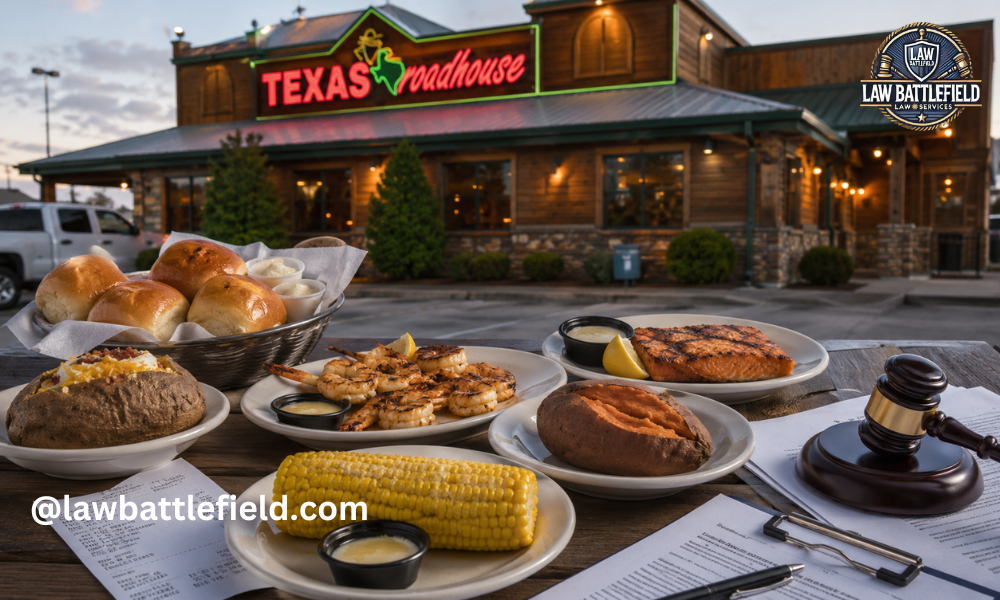
The menu items mentioned in the investigation include grilled shrimp, grilled salmon, fresh-baked bread, baked potatoes, sweet potatoes, and buttered corn. These items are important because they are commonly ordered and may influence how customers understand the Texas Roadhouse menu.
Grilled shrimp and grilled salmon appear to be key items because seafood descriptions can raise questions about sourcing, freshness, preparation, or whether the item matches what customers reasonably expected. Fresh-baked bread may raise questions about how the term “fresh-baked” is understood by diners. Baked potatoes, sweet potatoes, and buttered corn may be discussed because of toppings, preparation methods, or ingredient expectations.
For readers, the main point is simple: menu-labeling lawsuits often focus on whether restaurant descriptions are clear enough for ordinary customers. They are not always about food safety or bad service. In many cases, they are about whether the customer had enough accurate information before placing an order.
Why Menu Labeling Lawsuits Matter to Customers
Menu descriptions matter because people use them to decide what to buy. A customer may choose one item over another because of how it is described, how it sounds, or what ingredients they believe it includes. If a description is unclear, some customers may feel they paid for something different from what they expected.
This is especially important for people who care about food sourcing, preparation style, additives, allergens, or dietary preferences. A simple menu phrase can affect a customer’s decision, even if the price is not very high. In class action cases, the question is often whether many customers were affected in a similar way.
Menu-labeling lawsuits also remind restaurants to be careful with wording. Terms like “fresh,” “grilled,” “homemade,” “natural,” or “buttered” can create expectations. If those expectations are not clearly supported by the actual product or preparation process, legal questions may follow.
For Texas Roadhouse customers, the current issue is mainly about consumer transparency. It does not mean every customer was harmed, and it does not mean every menu item is involved. It means certain menu descriptions have drawn legal attention.
Is There a Texas Roadhouse Class Action Lawsuit Settlement or Payout?
Many people searching for the Texas Roadhouse Class Action Lawsuit want to know whether there is a settlement or payout. As of the latest available public information, readers should be careful before assuming that a current customer payout is available for the menu-labeling issue.
A Texas Roadhouse class action lawsuit payout would usually require a formal settlement, court approval, a defined class of eligible people, and a claims process. If a settlement is approved, there is normally an official notice explaining who qualifies, what documents are needed, how to file a claim, and the deadline to submit it.
Not every lawsuit leads to a settlement. Some cases are dismissed. Some are settled privately. Some are limited to employees rather than customers. Others may involve changes in business practices instead of direct cash payments. That is why readers should avoid websites or social media posts that promise instant lawsuit money without linking to official settlement information.
If a real payout becomes available, eligible people would usually need proof such as receipts, purchase dates, employment records, pay stubs, or a claim ID from an official notice. Until then, the safest approach is to treat payout claims with caution.
Texas Roadhouse Class Action Lawsuit Settlement Amounts From Past Cases
The phrase Texas Roadhouse class action lawsuit settlement amounts often brings up several past legal matters involving the company. These past cases are useful for understanding the company’s lawsuit history, but they do not prove that a new menu-related payout will happen.
One major past case involved age discrimination allegations brought by the U.S. Equal Employment Opportunity Commission. Texas Roadhouse agreed to pay $12 million to settle that case, while denying wrongdoing. This settlement was connected to employment hiring practices, not menu labeling.
Another important example involved a Massachusetts wage and tip-related case. Texas Roadhouse agreed to a $5 million settlement in 2012 involving wait staff claims related to tip distribution. There was also a South Carolina franchise-related tip-pooling dispute that resulted in a reported $700,000 class action verdict or settlement for affected workers.
These settlement amounts show that Texas Roadhouse has faced serious legal claims in the past. However, past settlement amounts should not be used to guess what a future case may be worth. Every lawsuit depends on its own facts, class size, legal claims, defenses, and court decisions.
EEOC Age Discrimination Lawsuit Against Texas Roadhouse
One of the most widely reported Texas Roadhouse lawsuits was the age discrimination case filed by the EEOC. The agency alleged that Texas Roadhouse had a nationwide pattern of rejecting applicants aged 40 and older for front-of-the-house jobs such as servers, hosts, bartenders, and similar customer-facing positions.
The case was significant because it involved federal age discrimination law and hiring practices across many restaurant locations. The EEOC claimed that older applicants were unfairly denied opportunities because of their age. Texas Roadhouse denied wrongdoing, but the company agreed to pay $12 million and provide other relief as part of the settlement.
This case is important in the larger Texas Roadhouse Class Action Lawsuit discussion because many readers see the settlement amount and wonder whether it relates to the current menu issue. It does not. The EEOC case was an employment discrimination matter. The current menu-labeling discussion is a consumer issue.
Keeping these cases separate helps readers understand the facts clearly. A person who bought food at Texas Roadhouse would not qualify for an employment discrimination settlement simply because they were a customer. Likewise, a former job applicant would not automatically be part of a menu-labeling case.
Wage, Hour, and Tip-Related Lawsuits Involving Texas Roadhouse
Texas Roadhouse has also faced wage, hour, and tip-related claims. These lawsuits generally involve employees, especially servers and other tipped workers. The main concerns in these cases have included tip pooling, side work, tipped wages, and whether workers were paid correctly under wage laws.
One type of claim involved tipped employees who said they performed too much non-tipped work while still being paid at the lower tipped wage rate. This type of claim often focuses on tasks such as cleaning, stocking, preparing work areas, or other duties that may not directly produce tips. Employees in these cases may argue that they should have received the full minimum wage for certain time worked.
Tip-pooling disputes are another major category. In these cases, workers may claim that tips were shared with employees who should not have been included in the tip pool, or that tip money was distributed in a way that violated state or federal law.
These employee lawsuits are different from customer class actions. A wage lawsuit is usually about pay records, job duties, hours worked, and employment law. A menu-labeling case is usually about customer purchases, advertising, and consumer expectations. This is why eligibility rules can be very different depending on the lawsuit.
Website Accessibility Lawsuit and ADA Claims
Another past Texas Roadhouse legal matter involved website accessibility. A proposed class action filed in 2017 claimed that the company’s website had barriers that made it difficult for blind users to access certain services independently.
The lawsuit focused on the Americans with Disabilities Act, often called the ADA. In simple terms, ADA website claims usually argue that a company’s online services should be accessible to people with disabilities. For blind users, this may involve screen readers, alternative text for images, keyboard navigation, properly labeled forms, and accessible checkout or gift card pages.
The Texas Roadhouse website accessibility case is different from both the menu-labeling issue and the employee wage cases. It did not focus on food descriptions or worker pay. Instead, it focused on whether disabled customers could use the company’s website in a fair and independent way.
This type of lawsuit matters because many restaurants now depend on websites for menus, online ordering, gift cards, reservations, and customer service. If a website is not accessible, some customers may be excluded from basic services.
Texas Roadhouse No Refunds: Why This Search Term Appears
The related search term Texas Roadhouse no refunds may appear because some customers are trying to understand their rights after a disappointing order, a disputed charge, or confusion about a menu item. It may also appear when people connect refund concerns with the broader Texas Roadhouse Class Action Lawsuit topic.
However, readers should be careful with this phrase. A search term does not prove that Texas Roadhouse has one national “no refunds” policy for every situation. Refund practices may depend on the location, order type, receipt details, payment method, and the reason for the complaint. Franchise or local restaurant practices may also vary.
If a customer believes they were misled by a menu description or charged incorrectly, the first step is usually to check the receipt and contact the local restaurant or official customer service. It is also wise to keep records, such as the order date, location, item purchased, receipt, photos, and any communication with staff.
A refund issue is not automatically a class action claim. But if many customers report the same issue and the facts are similar, attorneys may investigate whether a broader consumer claim exists.
Texas Roadhouse Lawsuits vs. EEOC v. Chipotle: Avoiding Confusion
Some readers also search for EEOC v Chipotle while researching restaurant lawsuits. This can create confusion because both Texas Roadhouse and Chipotle have been involved in EEOC-related legal matters, but they are different companies with different facts.
The Texas Roadhouse EEOC case involved age discrimination allegations related to hiring older applicants for front-of-the-house restaurant jobs. Chipotle has faced separate EEOC lawsuits involving different workplace allegations. These cases should not be treated as the same legal matter.
This difference is important for readers because lawsuit names, settlement amounts, and eligibility rules are company-specific. A person cannot use information from an EEOC case involving Chipotle to determine eligibility for a Texas Roadhouse lawsuit. Each case has its own court record, claims, settlement terms, and affected group.
When reading about restaurant class actions, always check the company name, filing date, court, legal issue, and settlement administrator. This helps avoid confusion and protects readers from false payout claims.
How Customers or Employees Can Check Eligibility Safely
Customers and employees should use different steps when checking eligibility for a Texas Roadhouse lawsuit. A customer who is interested in the menu-labeling issue should look for official updates about whether a class action was filed, whether a class was certified, whether a settlement was approved, and whether a claim form exists.
An employee or former employee should look for wage, tip, discrimination, or hiring-related notices that match their work location and dates of employment. Employment cases often require records such as pay stubs, schedules, job duties, tip records, or application history.
The safest sources include official court documents, verified settlement websites, notices from claims administrators, law firm announcements, and government agency updates. Readers should be cautious with social media posts, random payout calculators, or websites asking for personal information before confirming that a real settlement exists.
A real settlement notice usually explains the case name, court, eligibility period, claim deadline, payment estimate, and contact details for the settlement administrator. If those details are missing, readers should slow down and verify before submitting information.
Conclusion: What the Texas Roadhouse Class Action Lawsuit Means Right Now
The Texas Roadhouse Class Action Lawsuit topic includes more than one legal issue. The current discussion focuses mainly on menu-labeling allegations involving claims that certain menu descriptions may have been unclear or misleading. At the same time, Texas Roadhouse has a history of other lawsuits involving age discrimination, wage and hour claims, tip disputes, and website accessibility.
For readers, the most important point is to understand the difference between an investigation, a proposed class action, a certified class action, and an approved settlement. A lawsuit headline does not always mean that money is available. A Texas Roadhouse class action lawsuit payout would depend on official legal steps, eligibility rules, and court-approved settlement terms.
Past Texas Roadhouse class action lawsuit settlement amounts, such as the $12 million EEOC age discrimination settlement and other wage-related settlements, can help explain the company’s legal history. But they do not guarantee that customers will receive payment from the current menu-labeling matter.
Anyone affected should stay informed through verified legal updates, official notices, and trusted court or government sources. The best approach is simple: understand the facts, avoid payout scams, keep useful records, and wait for official information before assuming eligibility.
FAQs
What Is The Texas Roadhouse Class Action Lawsuit About?
The Texas Roadhouse Class Action Lawsuit mainly refers to menu-labeling allegations, along with past lawsuits involving age discrimination, wage issues, tip disputes, and website accessibility claims.
Is There A Texas Roadhouse Class Action Lawsuit Payout?
A payout is not guaranteed. Readers should only trust official settlement notices, court-approved claim forms, or verified legal updates before assuming they qualify for payment.
What Are The Texas Roadhouse Class Action Lawsuit Settlement Amounts?
Past settlement amounts include a $12 million EEOC age discrimination settlement and other wage or tip-related settlements, but each case has different facts and eligibility rules.
Does Texas Roadhouse Have A No Refunds Policy?
The phrase Texas Roadhouse no refunds appears in searches, but refund rules may vary by location, order type, receipt, and situation. Customers should check official support or their local restaurant.
Is EEOC v Chipotle related to Texas Roadhouse?
No. EEOC v Chipotle and Texas Roadhouse lawsuits involve different companies and different legal facts. Readers should avoid mixing settlement details from unrelated restaurant cases.
Was this article helpful? Check out more on Lawbattlefield.com
Disclaimer: This article is for general informational purposes only and is not legal advice. Lawsuit status, settlement amounts, payout eligibility, and claim deadlines can change. Readers should verify details through official court records, settlement notices, or a qualified attorney.