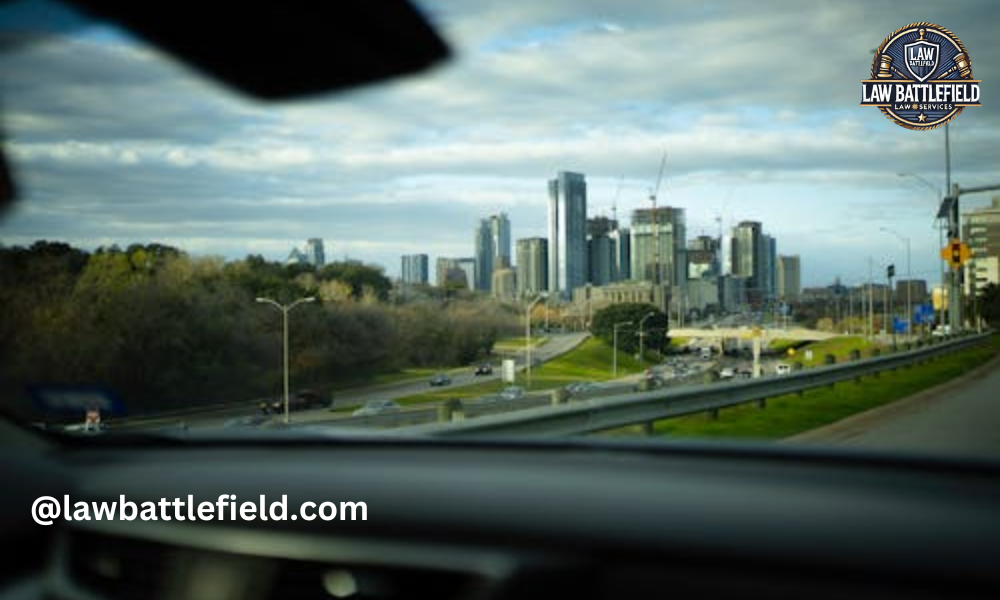
Texas State Highway 130, also known as SH-130, was built to give drivers a faster, less congested route around Austin. For years, it was promoted as a smart bypass, a way to skip the gridlock on I-35 and get where you needed to go without the headache. What nobody told the public loudly enough is that a specific stretch near Tesla Road has quietly become one of the deadliest corridors in Central Texas. Families have lost people they loved on this road, and many of those deaths could have been prevented.
What Makes This Stretch So Dangerous
SH-130 near Tesla Road sits in a zone where high-speed traffic, heavy commercial trucks, and a rapidly growing industrial area all collide. Since Tesla opened its Gigafactory in 2021, the region has exploded with activity: thousands of workers, delivery fleets, and construction vehicles now move through an area that was not fully designed for this level of demand.
The posted speed limit on parts of SH-130 reaches 85 mph, making it the fastest legal speed limit on any road in the United States. At that speed, reaction time drops dramatically, stopping distances stretch out, and any small error—a tire blowout, a distracted driver, or a poorly marked lane—can turn fatal within seconds. Near Tesla Road, ramps, merges, and heavy traffic volume from the industrial corridor create a particularly dangerous mix. If you or a loved one has been injured in a crash in this area, it is important to reach out to an experienced lawyer who can help protect your rights and pursue the compensation you deserve.
How Wrongful Death Claims Work on Texas Toll Roads
When someone dies in a crash on SH-130, their family may have grounds for a wrongful death lawsuit. Texas law allows surviving spouses, children, and parents to file a claim against any party whose negligence contributed to the death. That can include other drivers, trucking companies, or even road operators.
SH-130 Concession Company, the private entity that operated the toll road under a lease agreement with TxDOT, held maintenance and safety responsibilities for a significant portion of the highway. If poor road design, inadequate lighting, missing guardrails, or deferred maintenance played a role in a fatal crash, the operating company could face legal liability. Proving this requires a detailed investigation, including crash reconstruction, records requests, and expert testimony, which is why families in these situations almost always need legal representation.
Common Crash Patterns Seen Near Tesla Road
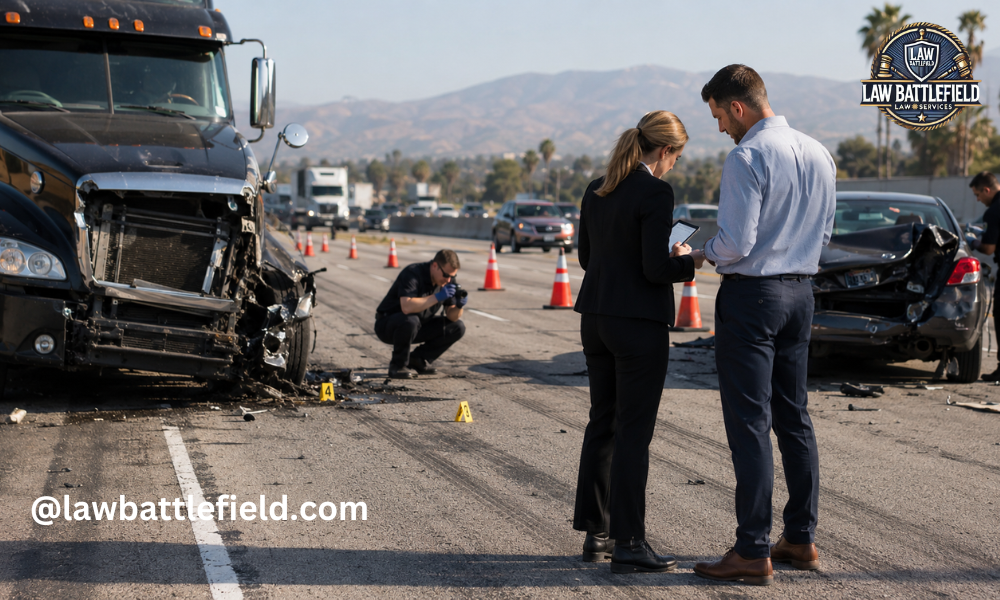
Fatal crashes on this stretch tend to follow recognizable patterns. Rear-end collisions at high speed are common, often involving drivers who underestimate how quickly traffic slows near the Tesla Road interchange. Truck-versus-passenger-vehicle crashes happen with concerning frequency, given the volume of semi-trucks serving the Gigafactory and surrounding warehouses.
Wrong-way driving incidents have also occurred on SH-130, some ending in head-on collisions. Nighttime visibility near Tesla Road is limited in certain areas, and confusing signage near interchanges has been cited as a contributing factor in multiple crashes. Lane departure crashes, where a vehicle drifts off the road or into another lane at speed, round out the most deadly crash types on this corridor.
Who Gets Investigated After a Fatal SH-130 Crash
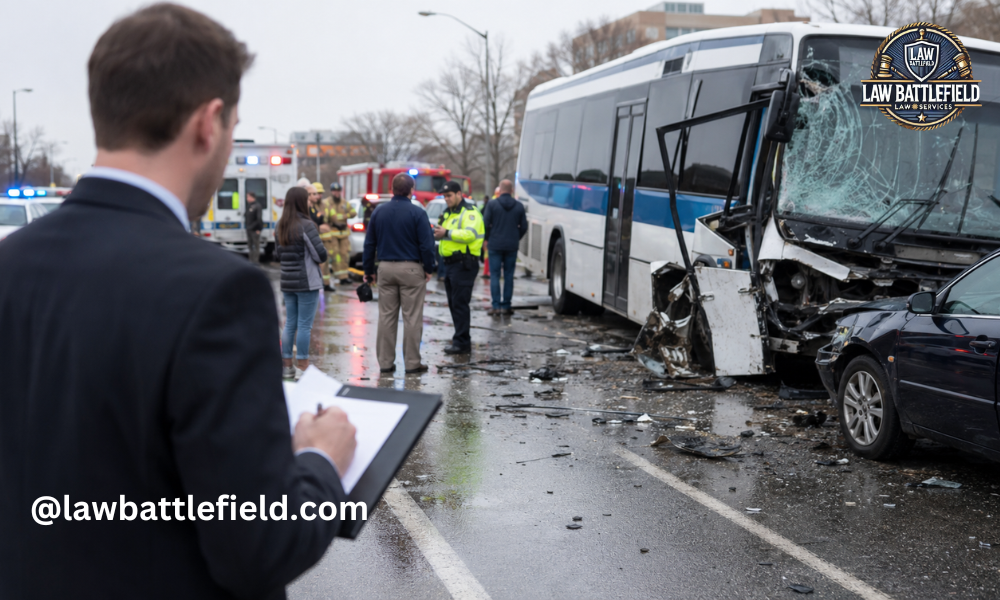
After a fatal crash near Tesla Road, multiple parties typically come under scrutiny. Law enforcement investigates the drivers involved, checking for speeding, impairment, distraction, and mechanical failure. If a commercial truck is involved, the trucking company’s logs, maintenance records, and driver history all become part of the picture.
TxDOT and road operators can also face investigation when crash patterns suggest the road itself is contributing to deaths. Attorneys handling wrongful death cases look at whether the road met safety standards at the time it was built, whether known hazards were addressed, and whether adequate warning systems were in place. In some crashes near Tesla Road, questions have been raised about whether interchange design meets current engineering safety standards.
What Families Should Know After Losing Someone Here
Losing a family member in a highway crash is devastating, and the legal process that follows can feel overwhelming. Texas has a two-year statute of limitations for wrongful death claims, meaning families need to act within that window or lose the right to sue.
Evidence disappears quickly after crashes. Skid marks fade, surveillance footage gets overwritten, and truck black box data can be lost if not preserved through a legal hold letter. Families should consult a wrongful death attorney as soon as possible, not because they have to decide anything immediately, but because preserving evidence early makes a real difference in building a case.
Compensation in wrongful death cases can cover funeral expenses, lost income, loss of companionship, and, in some cases, punitive damages when a defendant’s conduct was particularly reckless. No amount of money replaces a person, though financial recovery can give a family the stability to move forward.
Calls for Safety Improvements on SH-130
Safety advocates and some local officials have pushed for changes on SH-130, including reduced speed limits near high-traffic interchanges, improved lighting, and better signage around Tesla Road. TxDOT has conducted traffic studies in the area, and some improvements have been made, though critics argue the pace of change has not matched the pace of development.
The growth around Tesla’s Gigafactory shows no signs of slowing. More workers, more trucks, and more pressure on this corridor mean the risk will stay elevated unless infrastructure improvements keep up. Until then, SH-130 near Tesla Road remains a stretch of highway where the consequences of high speed and high volume are still being paid for in human lives.
Was this article helpful? Check out more on Lawbattlefield.com