Accurate documentation of pain and suffering is crucial for personal injury claims, significantly affecting the likelihood of obtaining fair compensation for physical injuries and emotional distress. Collaborating with a personal injury law firm can provide essential guidance throughout the claims process and help develop compelling evidence. Insurance companies and courts require more than mere verbal accounts; thus, establishing the severity and duration of pain through consistent documentation is necessary to make experiences credible.
A thorough, methodical recording strategy, including written records, supporting statements, and visual evidence, ensures that all aspects of injury impact are conveyed effectively while meeting the evaluative demands of insurers and courts. Legal and healthcare professionals emphasize that detailed evidence is persuasive in both negotiations and litigation, and that knowing what to document and how to organize the information can significantly influence the outcome of a claim.
Maintain A Detailed Injury Journal
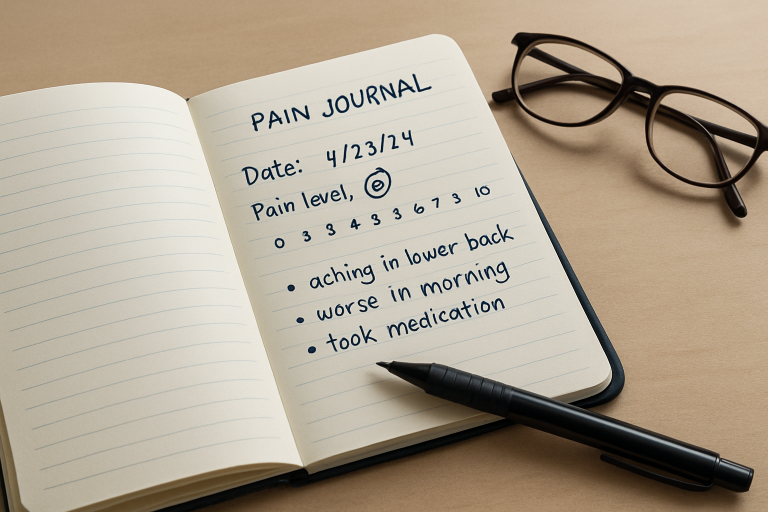
A consistent, detailed journal serves as a powerful tool for tracking pain and suffering, requiring daily entries that capture physical discomfort, emotional struggles, and lifestyle limitations due to injury. Each entry should include a numerical pain rating, sensory descriptions, and notes on activities affecting pain levels. Additionally, it’s important to document emotional impacts such as trauma, depression, anxiety, and frustration, as judges and insurers may often overlook these aspects.
Chronicling mood changes, sleep disturbances, and emotional challenges provides a clearer understanding of one’s experience. For those navigating the claims process, consulting a personal injury law firm can provide guidance on what details to record and how to present them effectively to strengthen a case. Furthermore, noting day-to-day limitations, whether in work, home management, caregiving, or hobbies, highlights the comprehensive effect of an injury on quality of life.
Gather Medical Records And Expert Opinions
Objective medical documentation is crucial for effective communication regarding injuries and treatments. Collect comprehensive medical records, including reports from health professionals, which validate diagnoses, test results, and treatment plans.
Ensure clarity in medical reports and include summaries from therapy sessions that outline progress and challenges. Additionally, securing expert testimonies can enhance understanding of pain and outcomes. Organizing all medical evidence is essential for efficient communication with attorneys, insurers, and the court.
Collect Statements From Family And Friends
Incorporating personal testimonies alongside professional evaluations can provide a valuable human perspective regarding changes in an individual’s life. Input from friends, family, or colleagues can highlight alterations in mood, mobility, and participation in daily activities post-injury.
Key observations might include marked behavioral or emotional changes since the injury, specific activities that can no longer be enjoyed collectively, and types of assistance provided due to the individual’s incapacitation. Such personal statements can effectively portray a relatable narrative of suffering, potentially resonating with claims adjusters and juries.
Utilize Photographic And Video Evidence
Images and videos provide irrefutable proof of your pain and limitations. Photos of physical injuries, medical devices, or restricted movement make the unseen aspects of suffering visible.
Additionally, brief videos can clearly display difficulties with tasks such as dressing, walking, or cooking. Keep this evidence organized by date to show either healing progress or continued challenges, whichever applies to your case.
Leverage Digital Tools And Applications
Technology helps you document your recovery accurately and efficiently. Many health-tracking apps and wearable devices let you log pain episodes, medication use, sleep disruptions, and physical activity electronically. These digital records are easy to share with your legal team and may become crucial evidence supporting your case.
Seek Professional Legal Guidance
A personal injury attorney provides crucial support throughout the process of pursuing compensation for injuries. Their expertise lies in identifying effective evidence, ensuring that documentation meets legal standards, and providing thorough guidance in various aspects of the claims process.
Key roles include reviewing client records for completeness, advising on the most persuasive evidence tailored to the specifics of the injury and circumstances, and managing communication and advocacy with insurance companies or court systems. Engaging professional legal counsel significantly enhances the likelihood of obtaining fair compensation while also streamlining the claims process.
Conclusion
Effective documentation of pain and suffering is central to the success of your personal injury claim. By combining comprehensive records, medical documentation, personal testimonies, visual proofs, and digital tracking, you ensure your case reflects the true scope of your struggles. Collaborating with legal professionals further strengthens your position and makes a meaningful difference in the outcome of your claim.
Was this article helpful? Check out more on Lawbattlefield.com
How Much Do Personal Injury Lawyers Make: Simple Guide To Real Earnings