
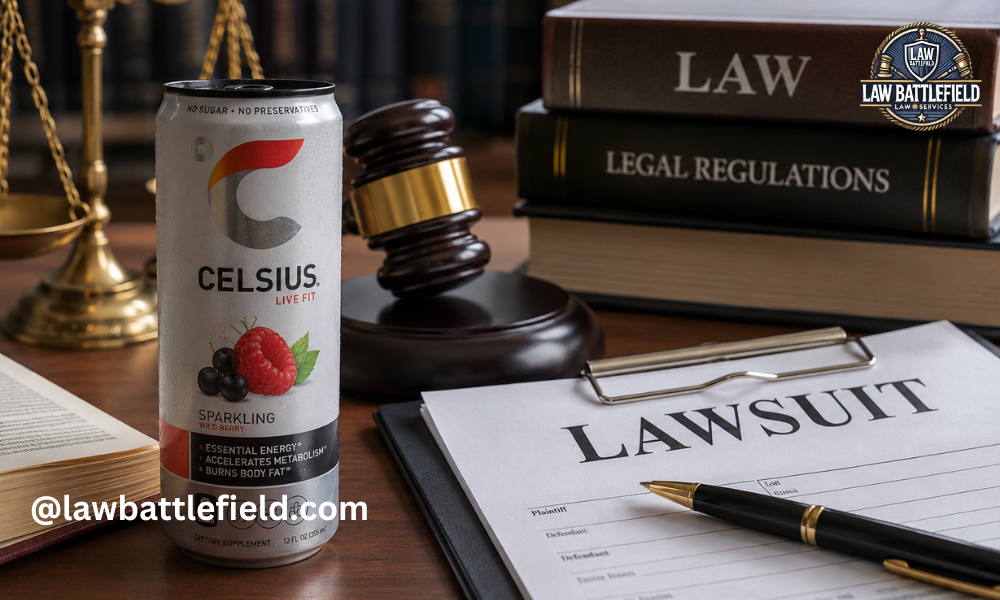
Many people are searching for the term “Celsius Drink Cancer Lawsuit” because they want to know whether Celsius energy drinks have been officially linked to cancer, whether a lawsuit has been filed, and whether consumers may qualify for compensation. This search has become more common as online posts, legal blogs, and social media discussions mention energy drink safety, product ingredients, caffeine levels, and past lawsuits involving Celsius Holdings.
The most important thing to understand first is that the phrase “Celsius Drink Cancer Lawsuit” can be confusing. As of the latest available information, there is no confirmed nationwide cancer lawsuit, official cancer-related recall, or major settled class action showing that Celsius drinks cause cancer. Many readers may be mixing up cancer-related rumors with other real legal issues involving Celsius, such as advertising claims, labeling disputes, influencer marketing concerns, and questions about high-caffeine drinks.
This article explains what is actually known about the Celsius Drink Cancer Lawsuit topic in simple language. It also looks at Celsius drink ingredients, safety concerns, payout rumors, liver and kidney damage claims, and related legal updates involving Celsius and Alani Nu. The goal is to help readers understand the difference between verified legal facts and unconfirmed online claims.
Quick Guide Table
| Reader Question | Quick Answer |
| Is there a Celsius drink cancer lawsuit? | No confirmed cancer lawsuit is currently verified. |
| Is there a Celsius cancer payout? | No official cancer-related payout exists. |
| Are Celsius lawsuits real? | Yes, but most known cases involve labeling, marketing, or business disputes. |
| Is Celsius linked to cancer? | No proven legal or official evidence confirms this. |
| Should consumers be careful? | Yes, mainly because of caffeine sensitivity and possible side effects. |
Helpful Bullet Points for Readers
- Do not confuse Celsius cancer claims with older Celsius labeling lawsuits.
- Check official court records or settlement pages before believing payout claims.
- Understand that caffeine side effects are different from cancer evidence.
- Read the ingredient label before drinking Celsius regularly.
- Speak with a doctor if you have heart, kidney, liver, or caffeine-related health concerns.
Current Status of the Celsius Drink Cancer Lawsuit
At this time, there does not appear to be a confirmed Celsius Drink Cancer Lawsuit that proves Celsius energy drinks cause cancer. There is also no official cancer lawsuit settlement or verified cancer-related payout program connected to Celsius drinks.
This matters because many websites use strong phrases such as “cancer lawsuit,” “payout,” or “settlement” to attract attention. However, a search term becoming popular does not always mean a case has been proven in court. Sometimes, people search for a lawsuit because they are worried about an ingredient, have seen an advertisement from a law firm, or are trying to understand whether a product has health risks.
For readers, the safest way to approach this topic is to separate confirmed legal matters from speculation. Celsius has faced lawsuits and legal attention in the past, but those known cases are not the same as a confirmed cancer lawsuit. Most of the verified Celsius-related legal issues involve marketing claims, labeling, sponsorship disclosures, or business disputes rather than cancer allegations.
Is There Any Confirmed Cancer Lawsuit Against Celsius?
There is currently no widely confirmed class-action lawsuit proving that Celsius drinks cause cancer. There is also no public record of a major settled Celsius cancer case that gives consumers an official claim form or guaranteed payout.
This does not mean consumers should ignore health questions. It simply means the available legal facts do not support the idea that there is already a proven Celsius cancer lawsuit. A product liability lawsuit usually needs strong evidence, medical records, expert opinions, and a clear connection between the product and the alleged injury. For cancer-related claims, that standard can be especially difficult because cancer can have many possible causes.
Some law firm pages may discuss possible investigations or ask people with health concerns to contact them. That does not automatically mean a lawsuit has been filed, certified, or won. Readers should be careful with any page that suggests guaranteed compensation without showing official court documents or a recognized settlement administrator.
Celsius Drink Cancer Lawsuit Update: What Is Actually Known
The latest reliable update is that the Celsius Drink Cancer Lawsuit topic remains mostly a search trend and consumer concern, not a confirmed cancer settlement. People are searching because of broader worries about energy drinks, artificial ingredients, high caffeine levels, and legal news involving Celsius Holdings.
What is known is that Celsius has been involved in other legal matters. One of the most well-known was the “no preservatives” class-action settlement. That case focused on labeling and the use of citric acid, not cancer. Celsius agreed to settle while maintaining that citric acid was used for flavor, not as a preservative.
Another legal issue involved claims about Celsius Live Fit drinks being misbranded and sold without proper FDA approval. Again, that case was not a cancer lawsuit. Celsius has also faced attention connected to marketing practices and influencer promotions. These cases can create confusion because they involve the same company, but they do not prove a cancer link.
Why Some People Connect Celsius Energy Drinks With Cancer Concerns
Some people connect Celsius energy drinks with cancer concerns because they see unfamiliar ingredients on the label and become worried. Energy drinks often contain caffeine, sweeteners, flavoring agents, acids, vitamins, and plant-based extracts. When consumers do not understand what these ingredients do, it is easy for fear to spread online.
Another reason is that lawsuits involving food and beverage companies often receive attention even when the claims are about labeling, marketing, or warnings rather than cancer. A headline about a “Celsius lawsuit” can quickly turn into a rumor about serious health conditions if readers do not check the details.
It is also common for people to search health-related terms after experiencing symptoms such as a fast heartbeat, anxiety, sleep problems, stomach discomfort, or headaches after drinking energy drinks. These symptoms can be linked to caffeine sensitivity, especially when someone drinks too much caffeine or combines energy drinks with coffee, pre-workout products, or other stimulants. However, those short-term stimulant effects are not the same as evidence that Celsius causes cancer.
Celsius Drink Ingredients and What They Mean for Consumers
Celsius drinks usually contain caffeine, flavoring ingredients, citric acid, vitamins, and other compounds often found in energy or fitness drinks. The exact formula may vary by product, flavor, and market, so readers should always check the label on the can they are drinking.
Caffeine is the main ingredient most people notice because it affects energy, alertness, and heart rate. Many Celsius drinks contain a higher caffeine level than regular soda. For healthy adults, moderate caffeine intake is usually tolerated, but some people are more sensitive than others. Too much caffeine can lead to nervousness, trouble sleeping, shaking, stomach upset, or a racing heartbeat.
Citric acid has also been discussed because of the past “no preservatives” lawsuit. Citric acid is commonly used in drinks for tartness and flavor balance. The legal dispute was about whether the “no preservatives” label was misleading, not whether citric acid caused cancer.
Some Celsius products may also include green tea extract, guarana, ginger, or vitamins. These ingredients are often used for energy or metabolism claims. Still, “natural” or plant-based ingredients can affect people differently. Consumers with medical conditions, caffeine sensitivity, or medication concerns should speak with a healthcare professional before using high-caffeine drinks regularly.
Is Celsius Bad for You? Safety Concerns Explained Simply
Celsius is not automatically “bad” for every adult, but it may not be suitable for everyone. The main concern is caffeine. A person who drinks one can occasionally may have a very different experience from someone who drinks several cans a day or combines Celsius with coffee, pre-workout supplements, or other stimulants.
Common caffeine-related side effects can include jitters, anxiety, insomnia, increased heart rate, headaches, and stomach discomfort. These effects are more likely when someone is sensitive to caffeine, drinks it late in the day, or consumes more caffeine than their body can handle.
The question “Is Celsius bad for you?” depends on the person’s age, health, caffeine tolerance, and overall diet. Children, teens, pregnant people, people with heart conditions, and those with anxiety or sleep problems may need to be especially careful. Even for healthy adults, energy drinks should not replace water, meals, or sleep.
From a cancer lawsuit point of view, the key point is simple: safety concerns about caffeine are not the same as proof of cancer. Readers should avoid treating every health concern as evidence of a cancer-related case.
Celsius Energy Drink Lawsuit: Legal Issues Readers Should Know About
The phrase “Celsius energy drink lawsuit” can refer to several different legal matters, which is why readers often get confused. Not every Celsius lawsuit is about health damage, and not every lawsuit means the company admitted wrongdoing.
One major case involved the “no preservatives” claim. Consumers argued that Celsius products were misleadingly labeled because they contained citric acid. Celsius said citric acid was used for flavoring, but the company agreed to a settlement to avoid continued legal costs and risks. This case is often mentioned online when people search for a Celsius drink lawsuit payout, but it was not a cancer payout.
Another case involved claims that Celsius Live Fit drinks were misbranded and lacked required FDA approval. That lawsuit focused on regulatory and labeling questions, not cancer.
There have also been marketing-related allegations, including claims that social media promotions did not properly disclose paid sponsorships. These issues are important for consumer transparency, but they should not be confused with claims that Celsius causes cancer.
Celsius Drink Cancer Lawsuit Payout: Is There Any Settlement?
There is no confirmed Celsius Drink Cancer Lawsuit payout at this time. If readers see pages suggesting a guaranteed cancer settlement, they should be cautious and look for official proof.
A real settlement usually has clear details, such as the court name, case number, settlement administrator, eligibility dates, claim deadline, and official claim form. Without those details, payout claims may be speculative or promotional.
The past Celsius payout most people are thinking of was linked to the “no preservatives” class-action settlement. Eligible consumers could receive compensation depending on their purchases and proof of purchase. That settlement did not involve cancer claims.
This distinction is very important for readers. A Celsius lawsuit payout may exist for one type of claim, but that does not mean there is a Celsius cancer payout. Mixing these two ideas can create confusion and spread misinformation.
Celsius Drink Lawsuit Liver Damage Claims
Some people also search for “Celsius drink lawsuit liver damage” because they are concerned about how energy drinks or supplements may affect the body. However, there is no major confirmed Celsius liver damage class-action settlement that proves Celsius drinks cause liver injury.
Liver damage claims in food, drink, or supplement cases usually require strong medical evidence. A person would need to show that the product likely caused or contributed to the injury, while also accounting for other factors such as alcohol use, medications, infections, existing liver disease, or other supplements.
Some ingredients in energy products, especially when consumed in large amounts or combined with other stimulants, may raise safety questions for certain individuals. But general concern is not the same as legal proof. Anyone experiencing symptoms such as yellowing skin, severe abdominal pain, dark urine, or unusual fatigue should seek medical care instead of relying on online lawsuit information.
Celsius Lawsuit Kidney Damage Concerns
Kidney damage is another concern that appears in searches related to Celsius lawsuits. As with liver damage, there is no widely confirmed Celsius kidney damage settlement showing that Celsius drinks directly cause kidney injury.
Kidney health can be affected by many things, including dehydration, medical conditions, medications, high blood pressure, diabetes, infections, and extreme supplement use. Energy drinks may contribute to dehydration or overconsumption of caffeine in some situations, especially if a person drinks them instead of water or uses them during intense exercise without proper hydration.
For most healthy adults, occasional energy drink use may not cause kidney problems. However, people with kidney disease or a history of kidney stones should be careful with any high-caffeine product and ask a healthcare provider for personal guidance.
From a legal point of view, kidney damage claims would need evidence. A search trend alone does not prove that Celsius caused kidney injury or that a payout exists.
Alani Energy Drink Lawsuit and Why It Is Being Compared to Celsius
Alani Nu is being compared to Celsius because Celsius Holdings owns Alani Nutrition. Recent legal attention involving Alani Nu has made some readers connect the brand to broader Celsius lawsuit searches.
In 2026, the Texas Attorney General announced an investigation into Celsius Holdings related to Alani Nu energy drinks and concerns about high caffeine levels and possible youth marketing. The investigation focused on whether the company’s marketing practices were misleading, especially regarding children and adolescents.
This issue is not the same as the Celsius Drink Cancer Lawsuit. It is mainly about caffeine, marketing, warnings, and whether young consumers are being protected from products that may not be appropriate for them.
The Alani Nu discussion also became more serious because of a wrongful death lawsuit involving a teenager and allegations related to caffeine consumption. That case has raised public concern about high-caffeine drinks, but it should still be understood separately from cancer-related claims.
How to Understand Celsius Lawsuit Claims Without Falling for Misinformation
The best way to understand Celsius lawsuit claims is to check what the lawsuit is actually about. A headline may say “Celsius lawsuit,” but the details may involve labeling, advertising, influencer disclosure, caffeine warnings, or a business contract. Those are very different from a cancer lawsuit.
Readers should be careful with pages that use urgent language, promise large payouts, or suggest that everyone who drank Celsius can automatically receive money. Real legal claims are usually more specific. They depend on dates, products purchased, injuries, evidence, and court decisions.
It is also helpful to look for official sources. Court documents, government announcements, recognized news outlets, and official settlement websites are more reliable than random social media posts or copied blog content.
For health concerns, readers should separate legal information from medical advice. If someone feels unwell after drinking Celsius or any other energy drink, the right step is to speak with a healthcare professional. Legal articles can explain lawsuits, but they cannot diagnose symptoms or prove what caused a medical condition.
Who Should Be Careful With High-Caffeine Energy Drinks?
High-caffeine energy drinks are not suitable for everyone. People who are sensitive to caffeine should be careful because even one can may cause jitters, anxiety, sleep problems, or a fast heartbeat.
Children and teenagers should be especially cautious. Many health experts advise young people to avoid energy drinks because their bodies may be more sensitive to caffeine and stimulants. Pregnant people, people with heart conditions, people with high blood pressure, and those with anxiety disorders or sleep problems should also use caution.
Adults who drink Celsius should pay attention to total daily caffeine intake. This includes caffeine from coffee, tea, soda, pre-workout powders, weight-loss products, and chocolate. Problems are more likely when people do not realize how much caffeine they are consuming across the whole day.
The safest approach is moderation. Read the label, avoid mixing several stimulant products, do not drink energy drinks late at night, and stop using them if they cause uncomfortable symptoms.
Conclusion
The bottom line is that there is no confirmed Celsius Drink Cancer Lawsuit payout, official cancer-related settlement, or proven legal finding that Celsius drinks cause cancer. Many people searching this keyword are likely seeing a mix of online rumors, health concerns, and real but unrelated Celsius legal issues.
Celsius has faced legal attention, including the “no preservatives” settlement, labeling claims, marketing-related allegations, and recent scrutiny involving Alani Nu and high caffeine concerns. These matters are worth understanding, but they should not be confused with a verified cancer lawsuit.
For readers, the most helpful takeaway is to focus on facts rather than fear. If you are researching the Celsius Drink Cancer Lawsuit, know that the current evidence does not show a confirmed cancer case or payout. At the same time, high-caffeine energy drinks may not be right for everyone. Read product labels, watch your caffeine intake, and speak with a medical professional if you have health concerns after drinking Celsius or any similar energy drink.
FAQs
Is The Celsius Drink Cancer Lawsuit Real?
There is no confirmed Celsius Drink Cancer Lawsuit proving that Celsius energy drinks cause cancer or offering an official cancer-related settlement payout.
Is There A Celsius Drink Cancer Lawsuit Payout?
No official Celsius cancer lawsuit payout has been confirmed. Past Celsius settlements were mainly about labeling claims, not cancer-related injuries.
Why Are People Searching For Celsius Cancer Claims?
Many readers confuse cancer rumors with real Celsius lawsuits involving labeling, advertising, caffeine concerns, or influencer marketing issues.
Is Celsius Bad For You?
Celsius may not be bad for every adult, but high caffeine can cause jitters, insomnia, anxiety, or a fast heartbeat in sensitive people.
Should I Stop Drinking Celsius?
That depends on your health and caffeine tolerance. If Celsius causes symptoms or you have medical concerns, speak with a healthcare professional.
Was this article helpful? Check out more on Lawbattlefield.com
Disclaimer: This article is for general informational purposes only. It is not legal, medical, or professional advice. Lawsuits, investigations, and health guidance can change over time, so readers should check official sources and consult a qualified lawyer or healthcare provider for personal advice.
Sierra Mist Lawsuit: The Trademark Dispute That Shook Pepsico’s Brand Strategy