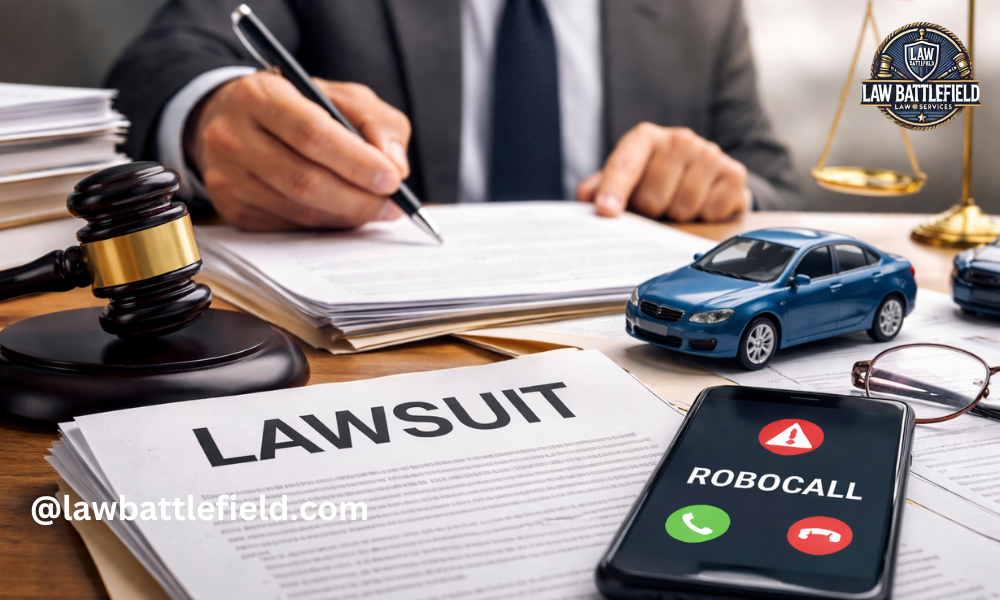
The CarGuard lawsuit has become a widely searched topic as more people try to understand what is really happening behind the company’s name. In simple terms, the issue revolves around complaints and legal actions linked to telemarketing calls, vehicle service contracts, and how those contracts were sold to consumers.
Many people began looking into the CarGuard lawsuit after receiving repeated phone calls offering extended car warranties. These calls often came unexpectedly and, in some cases, continued even after people asked to stop. This raised concerns about whether the company, or the agents connected to it, followed the rules set by law.
At the center of the discussion are claims related to robocalls and violations of the Telephone Consumer Protection Act (TCPA). This law protects people from unwanted calls, especially automated ones. Alongside this, some customers have also shared concerns about refunds, unclear sales practices, and overall service experience. Because of these combined issues, the CarGuard lawsuit has drawn attention from both consumers and legal professionals.
CarGuard Lawsuit Overview
| Aspect | Details |
| Company Name | CarGuard Administration, Inc. |
| Industry | Vehicle Service Contracts (Extended Car Warranties) |
| Founded | Not publicly emphasized |
| Key Legal Issue | Alleged illegal robocalls & TCPA violations |
| Type of Lawsuits | Individual cases & class action lawsuits |
| Notable Cases | Aspen couple lawsuit, Massachusetts federal case (2020) |
| Third Parties Involved | Legion Auto Protection, WalCo Funding |
| Common Complaints | Unwanted calls, spoofed numbers, refund issues |
| Legal Basis | Telephone Consumer Protection Act (TCPA) |
| Company Defense | Blames independent agents, denies wrongdoing |
| Consumer Impact | Repeated calls, confusion during sales, refund disputes |
| Status | Some cases settled, others ongoing or resolved |
Background of CarGuard Administration, Inc. and Its Business Model
CarGuard Administration, Inc. operates in the vehicle service contract industry. In simple terms, the company is involved in managing extended warranty plans for vehicles. These plans are meant to help cover repair costs after a manufacturer’s warranty ends.
However, CarGuard does not always sell these plans directly to customers. Instead, a large part of its business model involves working with third-party marketers and independent sales agents. These agents are responsible for reaching out to potential customers, often through phone calls, and promoting the service contracts.
This setup is important because it creates a layer between the company and the customer. While CarGuard administers the contracts, the initial contact and sales process may be handled by outside parties. This has become a key point in the CarGuard lawsuit, as many complaints are linked to how these third-party agents operated.
In general, the system works by having marketers generate leads and make sales, while CarGuard handles the backend services such as contract management and claims processing. While this model is common in many industries, it can also create confusion about who is responsible when problems arise.
Key Legal Issues Behind the CarGuard Lawsuit
The main legal concerns in the CarGuard lawsuit focus on how customers were contacted and how services were sold. One of the biggest allegations is the use of illegal robocalls. These are automated phone calls made without proper consent, which can violate federal law.
The Telephone Consumer Protection Act (TCPA) is central to these cases. This law requires companies to get permission before making certain types of calls, especially automated ones. It also protects people who have registered their numbers on the Do Not Call Registry.
In the CarGuard lawsuit, plaintiffs claim that they received repeated calls despite being on this registry. Some also reported receiving calls from numbers that appeared to be local but were actually “spoofed.” This means the caller ID was manipulated to make the call seem more trustworthy.
These issues raise questions about compliance and responsibility. Even if the calls were made by independent agents, the legal debate often centers on whether the main company can still be held accountable for those actions.
Quick Understanding: How the CarGuard Lawsuit Works (Step-by-Step)
- Consumers receive repeated telemarketing or robocalls
- Calls may violate Do Not Call Registry rules
- Some people file complaints or lawsuits
- Multiple cases combine into class action lawsuits
- Courts review whether CarGuard is responsible
- Cases may result in settlements or compensation
Major CarGuard Lawsuit Cases and Developments
Several legal cases have played a role in shaping the public understanding of the CarGuard lawsuit. One of the most discussed examples involves a couple from Aspen who filed a lawsuit after receiving numerous unwanted calls. They claimed that the calls were not only frequent but also misleading, leading them to seek significant compensation.
Another case was filed in a Massachusetts federal court in 2020. This lawsuit focused on the argument that CarGuard should be responsible for the actions of the sales agents promoting its services. Interestingly, this case was resolved relatively quickly, reaching a settlement within a couple of months.
In addition to individual cases, there have also been class action lawsuits. One notable case filed in 2021 involved companies such as Legion Auto Protection and WalCo Funding. The lawsuit claimed that robocalls were used to sell CarGuard-related contracts to consumers who had not given consent.
These cases, along with others, have contributed to ongoing discussions about how the company operates and whether current practices meet legal standards.
Class Action Claims and Consumer Complaints
Class action lawsuits are an important part of the CarGuard lawsuit landscape. These cases allow a group of consumers with similar complaints to come together and take legal action as one unit. This approach is often used when many people are affected in similar ways.
In the context of CarGuard, class action claims have focused on repeated phone calls, lack of consent, and violations of the Do Not Call Registry. Consumers involved in these cases often report similar experiences, such as receiving multiple calls over a short period.
Another common theme in complaints is confusion during the sales process. Some customers claim they were not fully aware of what they were purchasing or felt pressured into making a decision quickly.
When patterns like these appear across many complaints, they often strengthen the case for a class action lawsuit. They also highlight broader concerns about how services are marketed and sold within the industry.
Telemarketing Practices and Robocall Controversy
Telemarketing is at the center of the CarGuard lawsuit. While phone-based marketing is not illegal on its own, the methods used can cross legal boundaries if they do not follow proper guidelines.
One of the main concerns is the use of robocalls. These automated calls can reach a large number of people quickly, but they must comply with strict rules. Without clear consent from the recipient, such calls may be considered unlawful.
Another issue is the use of “spoofed” numbers. This practice makes it appear as though the call is coming from a local or familiar number, increasing the chances that the recipient will answer. However, this can also be misleading and is often viewed negatively in legal cases.
For many consumers, the impact of these practices goes beyond inconvenience. Repeated calls can disrupt daily life and create frustration, especially when attempts to stop the calls are unsuccessful.
Refund Disputes and Customer Experience Concerns
In addition to telemarketing issues, the CarGuard lawsuit also touches on customer experience concerns, particularly related to refunds. Some customers have reported difficulty getting their money back after purchasing a service contract.
These complaints often involve claims that the terms of the contract were not clearly explained at the time of sale. In some cases, customers say they felt misled about what the plan covered or how it worked.
When refund requests are denied, it can lead to further frustration and, in some cases, legal action. These experiences contribute to the overall perception of the company and play a role in the ongoing lawsuits.
It is important to note that not all customers report negative experiences. However, the presence of multiple complaints has raised questions about consistency and transparency.
Company Response and Legal Defense
CarGuard has responded to these allegations by denying wrongdoing. The company has stated that it does not support illegal robocalling and takes compliance seriously.
A key part of its defense is the claim that independent agents are responsible for the marketing activities. According to this view, CarGuard’s role is limited to administering the service contracts, not directly making the calls.
This distinction is important in legal cases. If the company can show that it did not control or direct the actions of the agents, it may reduce its liability. However, plaintiffs often argue that the company still benefits from these sales and should therefore share responsibility.
The outcome of these arguments depends on the details of each case and how the courts interpret the relationship between the company and its agents.
Related Industry Concerns and Similar Cases
The issues seen in the CarGuard lawsuit are not unique to one company. The vehicle service contract industry has faced similar challenges in the past, especially regarding telemarketing practices and customer complaints.
For example, when looking at bravo motorcars ltd reviews, some consumers report experiences that highlight broader industry concerns, such as unclear communication or aggressive sales tactics. While each company operates differently, these patterns suggest that the issues may be more widespread.
These comparisons help provide context. They show that the concerns raised in the CarGuard lawsuit are part of a larger conversation about transparency, marketing practices, and consumer protection within the industry.
Understanding Your Legal Rights as a Consumer
Consumers have specific rights when it comes to unwanted calls and misleading sales practices. The TCPA is one of the main laws designed to protect individuals from intrusive telemarketing.
Under this law, companies must obtain consent before making certain types of calls. If they fail to do so, consumers may have the right to take legal action. In some cases, individuals can receive compensation for each violation.
If you receive repeated unwanted calls, it is important to keep records, such as call logs and messages. These can be useful if you decide to file a complaint or take further action.
In a broader legal context, people sometimes compare these cases to other consumer protection laws, such as those involving defective products. For example, questions like how much can you sue for lemon law show how compensation can vary depending on the situation. While the laws are different, the underlying goal is the same: to protect consumers from unfair practices.
Is Harland Clarke Legit and Why It Appears in Similar Searches
It is common for people researching legal issues to come across unrelated companies in their searches. One example is the query is harland clarke legit, which often appears alongside topics like the CarGuard lawsuit.
This happens because users are generally trying to understand whether certain companies can be trusted. Even if the businesses are not directly connected, the search intent is similar.
In this case, Harland Clarke operates in a different industry, but the question reflects a broader concern about legitimacy and reliability. It shows that consumers are becoming more cautious and are actively researching before making decisions.
What This Means for Consumers Moving Forward
The CarGuard lawsuit highlights the importance of staying informed and careful when dealing with service contracts and telemarketing offers. One of the key takeaways is the need to verify who you are dealing with before making a purchase.
Consumers should take time to read contract details, ask questions, and avoid making quick decisions under pressure. It is also helpful to check reviews and understand how the company operates.
Another important point is awareness of your rights. Knowing what is allowed and what is not can help you respond confidently if you receive unwanted calls or face issues with a service.
Overall, the situation encourages a more cautious and informed approach to buying vehicle service contracts and dealing with telemarketing offers.
Conclusion
The CarGuard lawsuit brings attention to several important issues, including telemarketing practices, consumer rights, and the responsibilities of companies working with third-party agents. While the legal outcomes may vary from case to case, the concerns raised have already influenced how people view the industry.
By understanding the details behind these lawsuits, consumers can make better decisions and avoid potential problems. Awareness plays a key role in protecting yourself from unwanted calls and unclear offers.
In the end, the situation is not just about one company. It reflects a larger need for transparency, accountability, and respect for consumer rights in today’s marketplace.
FAQs
What Is The Carguard Lawsuit About?
The CarGuard lawsuit mainly focuses on claims that the company or its partners used illegal robocalls and telemarketing practices. It also includes complaints about misleading sales and denied refunds related to vehicle service contracts.
Did Carguard Admit Any Wrongdoing?
CarGuard has denied wrongdoing in most cases. The company states that it does not support illegal robocalling and claims that independent third-party agents are responsible for any violations, not the company itself.
Can I Take Legal Action If I Received Unwanted Calls?
Yes, if you received repeated unwanted robocalls, especially while listed on the Do Not Call Registry, you may have legal rights under TCPA. You can file complaints or even join a lawsuit depending on your situation.
Are There Any Settlements In The Carguard Lawsuit?
Some cases, such as the Massachusetts federal lawsuit in 2020, were settled quickly. However, not all cases are the same, and outcomes vary depending on the claims and legal arguments involved.
How Do I Protect Myself From Similar Situations?
You should avoid sharing your phone number with unknown sources, register on the Do Not Call Registry, and verify companies before buying services. Always read contracts carefully and avoid making decisions under pressure.
Was this article helpful? Check out more on Lawbattlefield.com
Disclaimer: This article is for informational purposes only and does not provide legal advice. Legal outcomes may vary based on individual cases. For specific concerns, consult a qualified legal professional.
A.J. Bosman Lawyer Lawsuit Cases Explained: Inside High-Profile Civil Rights Battles