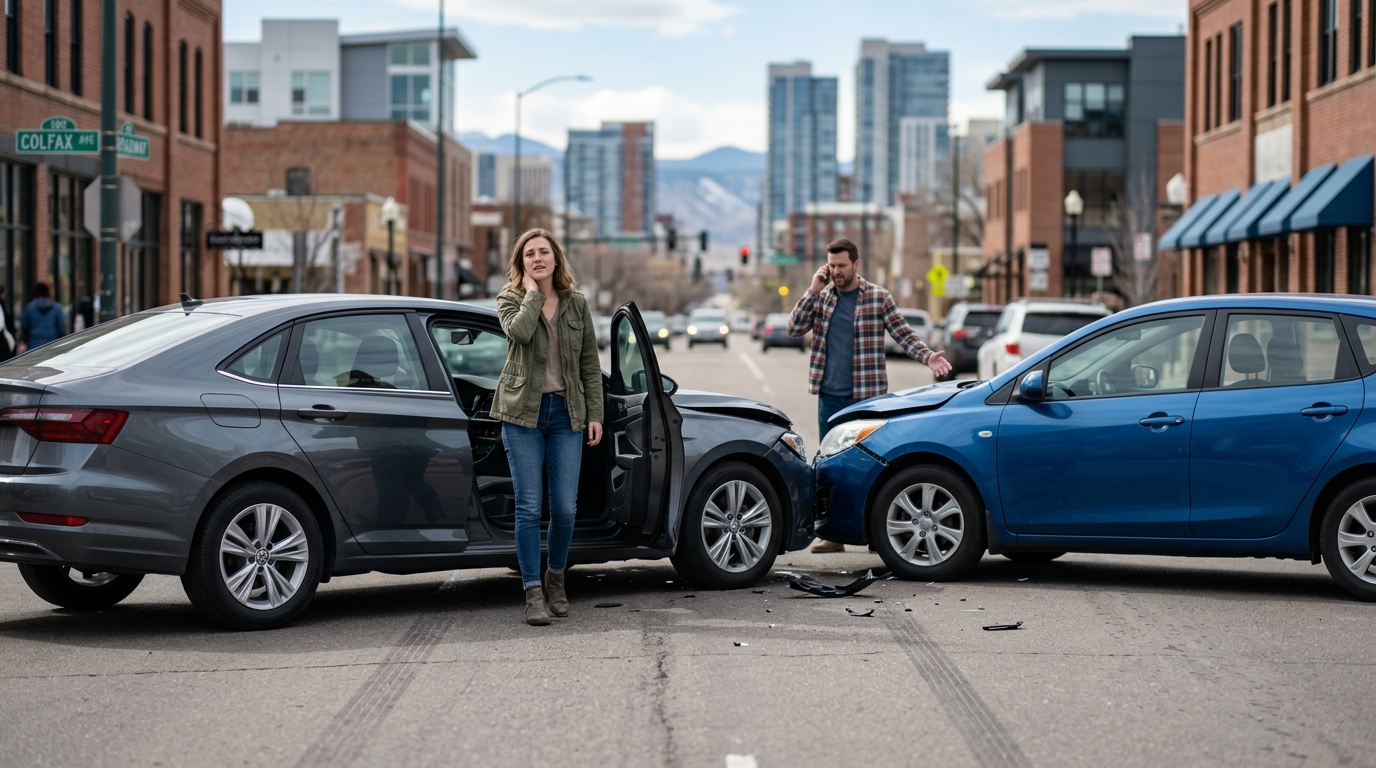
Experiencing a car accident in Denver can be disorienting, stressful, and overwhelming. In moments of panic or confusion, it’s easy to make mistakes that may jeopardize your health, your rights, and the outcome of your insurance claim or legal case. Understanding what not to do is just as crucial as knowing the correct steps to take. Before making any decisions, consider the guidance of a seasoned Denver car accident attorney who can help you avoid missteps and protect your interests.
While the aftermath of an accident is chaotic, the errors made during this time can lead to long-term consequences. From legal and financial issues to complications in seeking compensation for your injuries, avoiding critical mistakes is essential for your recovery. Clarifying these potential pitfalls can help Denver drivers become more prepared if the unexpected occurs. This guide identifies the five most critical mistakes frequently made in the wake of a collision in Denver, details why they should be avoided, and provides actionable advice to safeguard yourself, your passengers, and your future. By staying vigilant and educating yourself ahead of time, you can minimize the negative effects of a crash in the Mile High City and focus on getting back on track.
Mistake 1: Failing to Seek Medical Attention Immediately
Many car accident victims underestimate their injuries, particularly when adrenaline masks pain or other symptoms. Even if you feel fine after a collision, always seek medical attention. Delayed symptoms such as whiplash, brain trauma, or internal injuries are common and can worsen without timely treatment. Medical documentation is critical not only for your well-being but also for any future insurance or legal claims. Failing to get checked can be interpreted as evidence that you were not seriously hurt, jeopardizing your ability to recover damages later.
It’s important to realize that not all injuries present immediately following an accident; some, like concussions or soft tissue injuries, can progressively become more obvious. Make sure to relay every symptom, no matter how minor, to the attending physician. This detailed account will form part of your medical records, supporting your case if you need to pursue claims or compensation down the line. Retaining copies of all medical evaluations and treatment plans will ensure you have thorough documentation for insurance purposes or the court, should your case proceed that far.
Mistake 2: Not Reporting the Accident to Authorities
Colorado law requires drivers to report most car accidents, particularly those involving injuries, fatalities, or substantial property damage. Not calling the police can create serious problems later. A police report serves as an official record, corroborates your version of events, and is crucial evidence for insurance and potential legal claims. Without this documentation, it may be your word against the other party’s, and your credibility can be called into question. Always contact law enforcement, even if others at the scene suggest otherwise.
In Denver, local authorities are trained to manage accident scenes efficiently and to collect statements from all involved parties and witnesses. When you report the accident, remain calm and provide clear information about what happened. Even if the other driver urges you to settle matters privately, understand that an official record often carries far more weight than any private agreement. Filing a report also demonstrates that you are following state law and acting in good faith.
Mistake 3: Neglecting to Gather Evidence at the Scene
In the confusion following a crash, many people fail to collect vital evidence. Take comprehensive photos of the vehicles, scene, skid marks, traffic signs, weather, and injuries. Write down details while memories are fresh, obtain contact information for witnesses, and exchange information with the other driver. This documentation is your best defense against inaccurate statements or obstacles in the claims process.
Today, nearly everyone has a smartphone, making it easier than ever to document the accident scene thoroughly. Take as many photos and videos as possible from various angles, and don’t forget to capture license plates, the surrounding environment, and close-ups of all damage or injuries. If you can, sketch a simple diagram of how the accident happened. It’s also wise to record a voice memo documenting your immediate recollections before your memory fades. Gathering this information upfront helps build a stronger case later.
Mistake 4: Accepting an Early Settlement from Insurance
Insurance companies often reach out quickly with a settlement offer that may seem attractive when you need fast relief from bills or lost wages. However, initial offers are usually far lower than the true value of your case. Accepting early means waiving your right to pursue additional compensation if injuries or expenses turn out to be more severe than you thought. Always consult a legal or financial advisor before signing anything from an insurer. This advice aligns with recommendations from resources like Consumer Reports.
Be aware that insurance adjusters are trained negotiators whose primary goal is to settle claims swiftly and economically. Their first offer is rarely their best, especially if the total extent of your injuries or future medical expenses is still unknown. Seeking professional guidance can help you accurately calculate damages, including pain and suffering, lost earning potential, and ongoing treatments. Don’t feel rushed by deadlines, take your time, review your options, and make decisions that serve your best interests in both the short and long term.
Mistake 5: Admitting Fault or Apologizing Too Soon
It is natural to want to apologize after an accident, even if emotions are running high. Avoid doing so, as statements made at the scene can be misconstrued as admissions of fault. Colorado follows modified comparative negligence rules, meaning any admission can significantly reduce or even eliminate your potential compensation. Let the investigation and your legal or insurance representatives determine who is at fault based on the facts and evidence collected.
It’s essential to cooperate fully with law enforcement when they arrive, but refrain from speculating about what caused the accident or volunteering unnecessary information. Stick to the facts when giving your statement and avoid making comments that could later be interpreted as an acceptance of blame. If you’re unsure about what to say, politely let officers know that you prefer to wait until you can talk to a legal representative. Your rights and future compensation may depend on the careful words you use in those first critical moments.
Conclusion
The steps you take in the first few hours and days following a car accident in Denver will have a lasting impact on your recovery process. Prioritize your health, protect your rights, and never rush decisions involving insurance or liability. If you avoid the five critical mistakes outlined above, you maximize your chances for a full recovery, physically, financially, and legally. In complex situations, advice from trusted professionals ensures you receive fair treatment and adequate compensation. Stay safe, be informed, and take proactive steps to safeguard your future every time you get behind the wheel in Denver.
Being prepared for the unexpected may seem daunting, but a proactive mindset is your best defense against the complications that can arise after a car accident. Consider keeping a simple accident checklist and a disposable camera in your glove compartment, along with your registration and insurance documents. If you drive regularly in Denver, familiarize yourself with state-specific reporting requirements and note reputable local medical providers and legal resources. The more informed and cautious you are, the better prepared you’ll be to respond effectively, avoid costly errors, and help ensure that your path to recovery is as smooth as possible.